
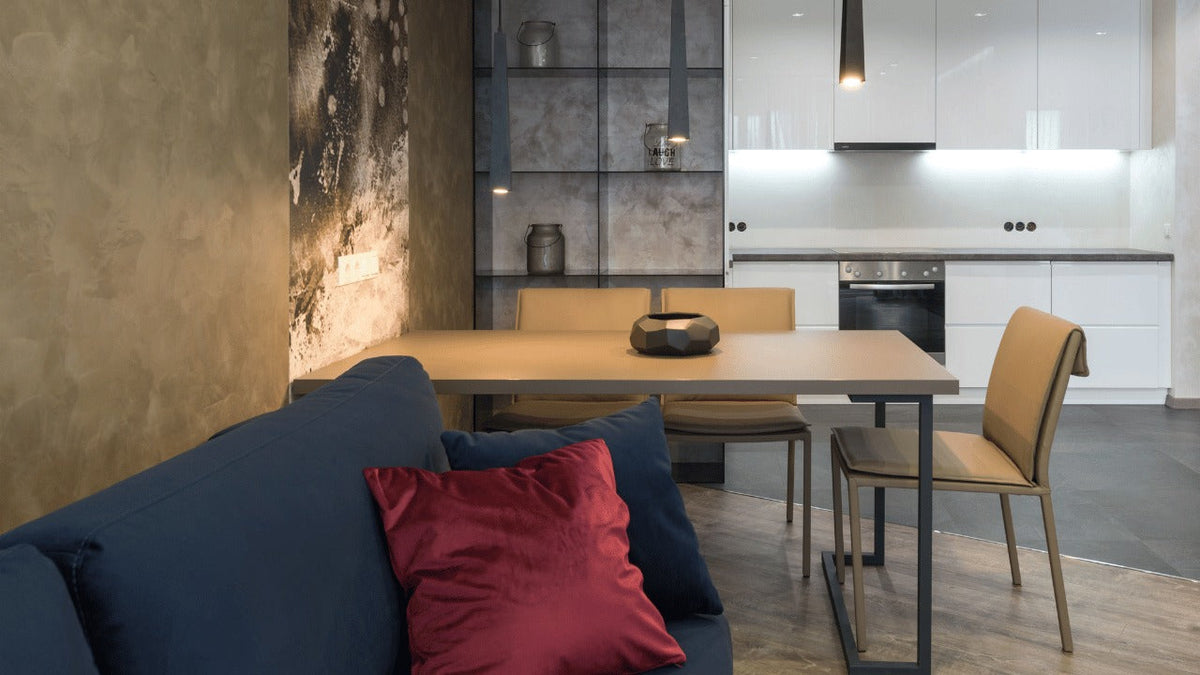
Designing and building your own furniture is one of the most
rewarding ways to personalize your living space. It blends creativity with
practical craftsmanship, allowing you to produce pieces that are truly unique
to your style and needs. Whether you are aiming to create a custom coffee
table, shelving unit, or statement chair, success depends on more than
inspiration alone. It requires the right set of tools, a thoughtful workspace,
and a clear understanding of the process. By equipping yourself with the
essentials, you can confidently turn your interior design ideas into tangible,
lasting pieces.
Essential
Measuring and Layout Tools
Every well-built piece of furniture begins with accurate
measurements. Even small miscalculations can lead to structural problems or an
imperfect fit within your space. A reliable tape measure is a must, along with
a combination square for ensuring precise angles and edges. Marking tools such
as pencils, chalk lines, and marking knives help transfer your plans onto
materials cleanly and accurately.
Beyond basic measuring, layout tools are critical for planning cuts
and joints. A straightedge or ruler ensures smooth, even lines, while a level
guarantees that your final piece sits correctly in your home. Investing in
quality measuring tools sets the foundation for every step that follows, making
it easier to achieve professional-looking results without unnecessary
frustration.
Cutting
and Shaping Equipment
Once your measurements are in place, cutting tools become the heart
of your workflow. Hand saws, circular saws, and jigsaws all serve different
purposes, from straight cuts to intricate curves. For more advanced projects, a
table saw or miter saw offers greater precision and efficiency. These tools
allow you to work with a variety of materials, including hardwood, plywood, and
composite boards.
Equally important are shaping tools such as chisels, planes, and
routers. These tools refine edges, create joints, and add decorative details
that elevate the overall design. Managing these tools effectively is key to
maintaining productivity and safety. Many experienced builders rely on
organized systems, including cutting
tool inventory management,
to keep everything accessible and in optimal condition. This approach reduces
downtime and helps ensure consistent results throughout your project.
Fastening
and Assembly Tools
After shaping your materials, the next step is assembling your
furniture. This stage requires tools that provide strength and stability while
maintaining a clean appearance. Power drills and drivers are essential for
creating pilot holes and securing screws efficiently. Clamps are equally
important, as they hold pieces steady while the glue dries or fasteners are
applied.
Depending on your design style, you may also need specialized tools
for joinery. Pocket hole jigs, doweling kits, and biscuit joiners all allow for
strong, concealed connections between pieces. These methods not only improve
the durability of your furniture but also contribute to a more polished and
professional finish. Having the right assembly tools ensures that your project
comes together smoothly and holds up over time.
Sanding
and Finishing Tools
No piece of furniture is complete without proper finishing. Sanding
tools play a crucial role in preparing surfaces, removing imperfections, and
creating a smooth base for stains or paints. Orbital sanders are popular for
their ease of use, while sanding blocks provide more control in tight or
detailed areas.
Finishing tools include brushes, rollers, and spray systems for
applying stains, paints, and sealants. Each option offers a different level of
coverage and texture, allowing you to achieve the exact look you want.
Protective finishes such as polyurethane or lacquer not only enhance the
appearance of your piece but also extend its lifespan by guarding against wear
and moisture.
Taking the time to sand and finish your furniture properly can make
a dramatic difference in its overall quality. It transforms a basic
construction project into a refined design element that complements your
interior space.
Workspace
Setup and Safety Essentials
A well-organized workspace is just as important as the tools
themselves. Adequate lighting helps you see details clearly, while a sturdy
workbench provides a reliable surface for cutting and assembly. Storage
solutions such as tool racks, cabinets, and bins keep your equipment organized
and easy to access.
Safety should always be a top priority. Protective gear, including
safety glasses, gloves, and hearing protection, reduces the risk of injury. Dust
collection systems or masks are also essential, especially when working with
wood or other materials that produce fine particles.
By creating a safe and efficient workspace, you set yourself up for
a smoother building process and more enjoyable experience. It allows you to
focus on creativity and craftsmanship without unnecessary interruptions or
hazards.
Conclusion
Crafting your own furniture is a fulfilling way to bring your
interior design vision to life. With the right combination of measuring tools,
cutting equipment, assembly aids, and finishing supplies, you can transform raw
materials into functional works of art. Just as important is maintaining an
organized workspace and prioritizing safety throughout the process. By
investing in the proper tools and learning how to use them effectively, you can
create custom pieces that reflect your personal style and stand the test of
time.