
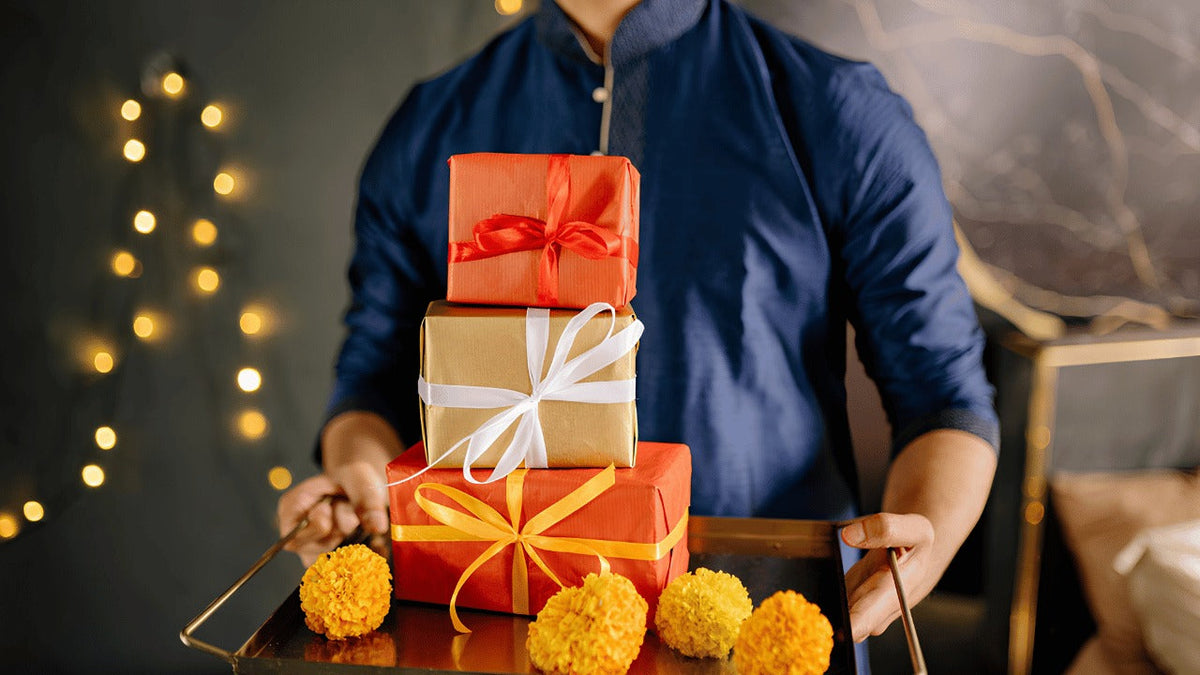
Gift-giving has evolved far beyond the simple exchange of objects.
In today’s world, meaningful gifting reflects thoughtfulness, personality, and
a deeper understanding of relationships. As people move through different
phases of life, the nature of meaningful gifts shifts along with their
priorities, values, and experiences. What resonates with a teenager may not
hold the same significance for someone entering retirement.
Understanding how to choose gifts that align with each stage of
life can transform the act of giving into something more intentional and
memorable. From celebrating milestones to strengthening connections, thoughtful
gifting creates lasting impressions that go well beyond the moment of exchange.
Childhood and Adolescence: Building Joy and Curiosity
In early life, meaningful gifts often center on discovery, play, and
imagination. Children and teenagers are developing their interests, skills, and
identities, making this an ideal time to provide gifts that encourage
exploration. Educational toys, creative kits, books, and interactive
experiences can spark curiosity while also supporting growth.
At this stage, gifts that reflect a young person’s evolving
personality can make a strong impact. Paying attention to their hobbies—whether
art, sports, music, or technology—shows attentiveness and care. Personalized
items, such as custom artwork or engraved keepsakes, can also foster a sense of
individuality.
Experiences are particularly valuable for younger recipients.
Tickets to events, classes, or family outings create memories that often
outlast physical items. These shared moments contribute to emotional
development and strengthen relationships, making them especially meaningful.
Early Adulthood: Supporting Identity and Independence
As individuals enter early adulthood, gifting begins to reflect
newfound independence and the process of building a life. This stage often
includes milestones such as graduating, starting a career, or moving into a
first home. Gifts that support these transitions tend to resonate deeply.
Practical items, when chosen thoughtfully, can feel both useful and
personal. High-quality cookware, home décor, or professional tools can help
establish a sense of stability and confidence. At the same time, gifts that
encourage self-expression—such as fashion pieces, art, or travel
opportunities—allow recipients to explore who they are.
Sentimental gifts also hold value during this phase. A meaningful
keepsake that acknowledges progress or celebrates achievements can serve as
both motivation and remembrance. The key lies in balancing practicality with
personalization, ensuring the gift aligns with the recipient’s lifestyle and
aspirations.
Relationships and Milestones: Celebrating Connection
As relationships deepen and life milestones become more
significant, gifting often takes on a more symbolic role. Engagements,
weddings, anniversaries, and other shared experiences call for gifts that
reflect commitment and connection.
During these moments, personalization becomes especially important.
Customized jewelry, heirloom pieces, or items that represent shared interests can
elevate a gift from ordinary to unforgettable. For couples who share a love for
a particular story or universe, something like a Star Wars wedding band can blend personal passion with meaningful
symbolism, creating a lasting representation of their bond.
Beyond physical gifts, experiences continue to play a vital role.
Honeymoon trips, anniversary getaways, or planned celebrations can create
cherished memories that reinforce relationships over time. These thoughtful
gestures demonstrate an understanding of what truly matters to the recipient
and their partner.
Midlife: Focusing on Meaning and Fulfillment
In midlife, priorities often shift toward fulfillment, balance, and
personal enrichment. Gifts at this stage tend to reflect a deeper appreciation
for quality, purpose, and emotional resonance. Rather than accumulating more
items, many individuals begin to value experiences and meaningful connections
more highly.
Wellness-focused gifts, such as fitness programs, relaxation tools,
or retreats, can support both physical and mental well-being. Similarly, items
that align with hobbies—gardening, cooking, reading, or creative pursuits—show
thoughtful consideration of the recipient’s interests.
Gifting during this phase also provides an opportunity to
acknowledge achievements and life contributions. Whether it’s recognizing
career milestones or celebrating family roles, meaningful gifts can serve as a
reflection of appreciation and respect.
Experiences continue to stand out as impactful options. Cooking
classes, travel experiences, or cultural events allow individuals to explore
new interests while creating lasting memories. These gifts often feel more
meaningful because they contribute to personal growth and enjoyment rather than
simply adding to possessions.
Later Life: Honoring Legacy and Connection
In later life, meaningful gifting often revolves around legacy,
connection, and reflection. At this stage, relationships and memories tend to
hold greater significance than material items. Gifts that celebrate family,
history, and shared experiences can have a profound emotional impact.
Personalized keepsakes, such as photo albums, memory books, or
custom artwork, allow individuals to revisit important moments and preserve
their stories. These gifts can also serve as a bridge between generations,
passing down memories and values to younger family members.
Comfort and convenience are also important considerations. Thoughtfully
chosen items that enhance daily life—such as ergonomic furniture, cozy
textiles, or accessible technology—can improve overall well-being. These gifts
demonstrate care and attentiveness to the recipient’s needs.
Spending time together often becomes one of the most meaningful
forms of giving. Whether it’s organizing a family gathering or planning a
special outing, shared experiences reinforce connections and create moments
that are truly cherished.
Conclusion
Meaningful gifting is an evolving practice that reflects the
changing priorities and experiences of each stage of life. From fostering
curiosity in childhood to honoring legacy in later years, thoughtful gifts
demonstrate understanding, care, and intention. By focusing on personalization,
emotional connection, and relevance, gift-giving becomes more than a gesture—it
becomes a way to celebrate life’s journey and strengthen the bonds that matter
most.