
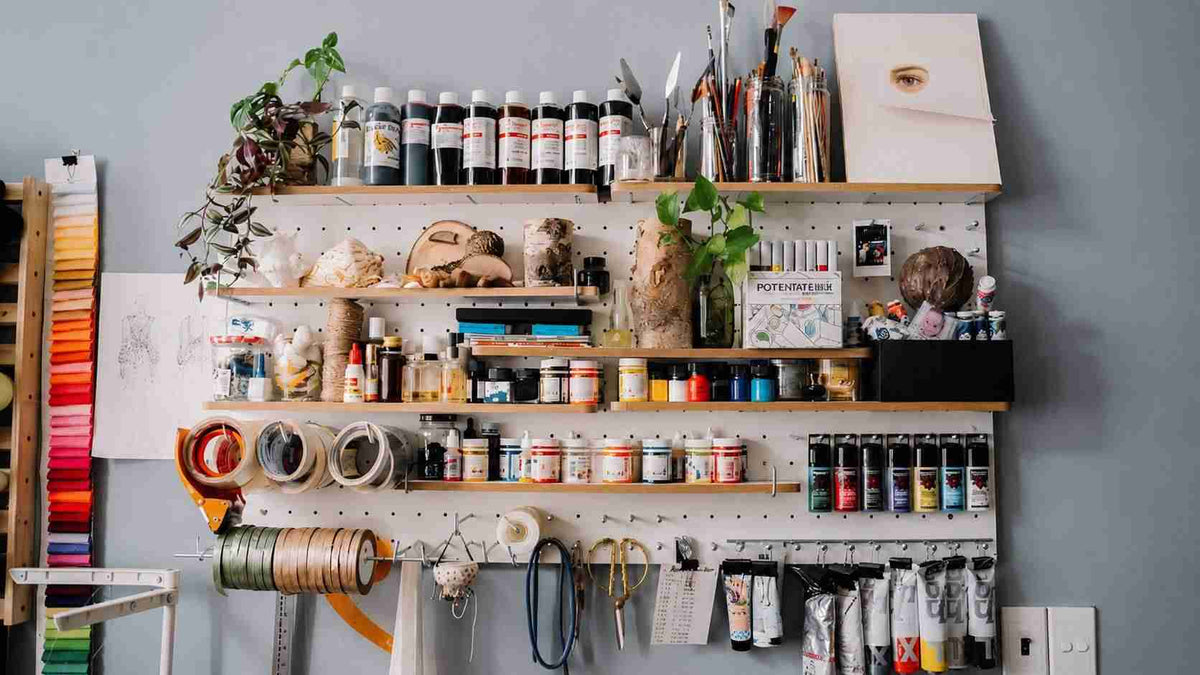
Retirement offers something many people spend decades anticipating:
time. Time to pursue long-postponed hobbies, rediscover old passions, and
create daily rhythms that feel genuinely fulfilling. One of the simplest yet
most impactful ways to support this new stage of life is by designing personal
spaces within the home that encourage relaxation, creativity, and comfort.
Hobby corners and relaxing nooks can transform even small areas into meaningful
sanctuaries that reflect personality and promote well-being.
Rather than viewing the home as a static environment, retirees have
a unique opportunity to reshape it into a dynamic space that supports how they
want to live each day. Whether it’s a reading nook bathed in afternoon light or
a crafting table tucked into a quiet corner, these spaces can become essential anchors
in a retirement lifestyle centered on ease and enjoyment.
Designing a Space That Reflects Your Interests
The most successful hobby corners start with intentional design.
Instead of focusing purely on aesthetics, begin with how the space will be
used. A retired gardener might prioritize easy access to tools and natural
light for indoor plants, while an avid reader may prefer a plush chair,
adjustable lighting, and nearby shelves.
Comfort is essential, but so is functionality. Consider ergonomic
seating, proper lighting to reduce eye strain, and accessible storage that
keeps materials organized without cluttering the space. A well-designed nook
should invite use rather than feel like a display area.
Personal touches make all the difference. Framed photos, meaningful
mementos, or even a favorite blanket can elevate a simple corner into a place
that feels uniquely your own. Retirement is deeply personal, and these spaces
should reflect that individuality without constraint.
Creating a Sense of Calm and Retreat
While hobbies can be stimulating, relaxation is equally important.
A well-crafted nook can serve as a peaceful retreat from the busier areas of
the home. Soft color palettes, natural textures, and soothing elements like
plants or gentle lighting can create a calming atmosphere that encourages rest
and mindfulness.
Many retirees find that incorporating sensory elements enhances the
experience. A soft rug underfoot, the subtle scent of candles or essential
oils, or the quiet hum of a white noise machine can help establish a serene
environment. Even in shared living spaces, these small adjustments can carve
out a sense of privacy and calm.
Positioning also plays a role. Placing a relaxation nook near a
window can provide natural light and a connection to the outdoors, which has
been shown to improve mood and overall well-being. Alternatively, a more
secluded corner may better support quiet activities like journaling or
meditation.
Balancing Creativity and Practicality
Hobby spaces should inspire creativity while remaining easy to
maintain. One common challenge is allowing supplies to accumulate in ways that
feel overwhelming. Smart storage solutions—such as baskets, drawers, or labeled
containers—can keep everything accessible yet tidy.
Flexibility is another important consideration. As interests evolve
over time, the space should be able to adapt. A table used for painting today
might later become a puzzle station or writing desk. Choosing modular or
multipurpose furniture can make these transitions seamless without requiring
major redesigns.
For those who enjoy more than one hobby, combining functions in a
single area can be effective. For example, a corner could incorporate both a
small bookshelf and a crafting station, allowing for a variety of activities without
needing separate rooms. The goal is to create a space that feels inviting, no
matter how it’s used on a given day.
Supporting Changing Needs Over Time
As retirement progresses, physical or cognitive needs may shift,
making it important to design spaces that can evolve alongside them.
Accessibility should always be a priority, even if it doesn’t seem immediately
necessary. Features like sturdy seating, non-slip rugs, and clear pathways can
prevent accidents and ensure long-term usability.
Lighting becomes increasingly important as well. Adjustable, bright
lighting can help with detailed tasks, while softer options create a relaxing
ambiance when needed. Incorporating both allows the space to serve multiple
purposes comfortably.
For individuals or families navigating additional care
considerations, hobby corners can continue to play a meaningful role. In
environments that offer dementia care in Alameda, CA, thoughtfully designed activity spaces
often help residents stay engaged, reduce anxiety, and maintain a sense of
identity through familiar routines and interests. Bringing similar principles
into the home—such as keeping activities simple, visible, and easy to
access—can support continued enjoyment and independence.
Bringing Personality into Shared Living Spaces
Not all retirees live alone, and creating hobby corners within
shared environments requires a bit of balance. The key is to establish spaces
that feel personal without disrupting the overall flow of the home. A corner of
a living room, a section of a bedroom, or even a converted closet can become a
functional and inviting nook.
Communication is essential when living with a partner or family
members. Discussing how each person envisions using shared spaces helps prevent
conflicts and ensures that everyone has an area where they can unwind or focus.
Adding personality doesn’t have to mean dramatic changes. Even
small details—like a favorite chair, a unique lamp, or a designated shelf—can
clearly define a space as your own. Over time, these additions create a sense
of belonging that enhances daily life.
Conclusion
Hobby corners and relaxing nooks are more than simple design
features—they are reflections of how retirees choose to spend their time and
shape their environments. By thoughtfully creating spaces that support comfort,
creativity, and personal expression, individuals can make their homes feel more
engaging and restorative.
Retirement is an opportunity to slow down and rediscover what
brings joy. Whether it’s through a quiet reading space, a vibrant crafting
area, or a peaceful corner for reflection, these small but meaningful spaces
can have a significant impact on overall quality of life. Thoughtful design,
adaptability, and a focus on personal comfort ensure that these nooks remain
cherished parts of the home for years to come.