
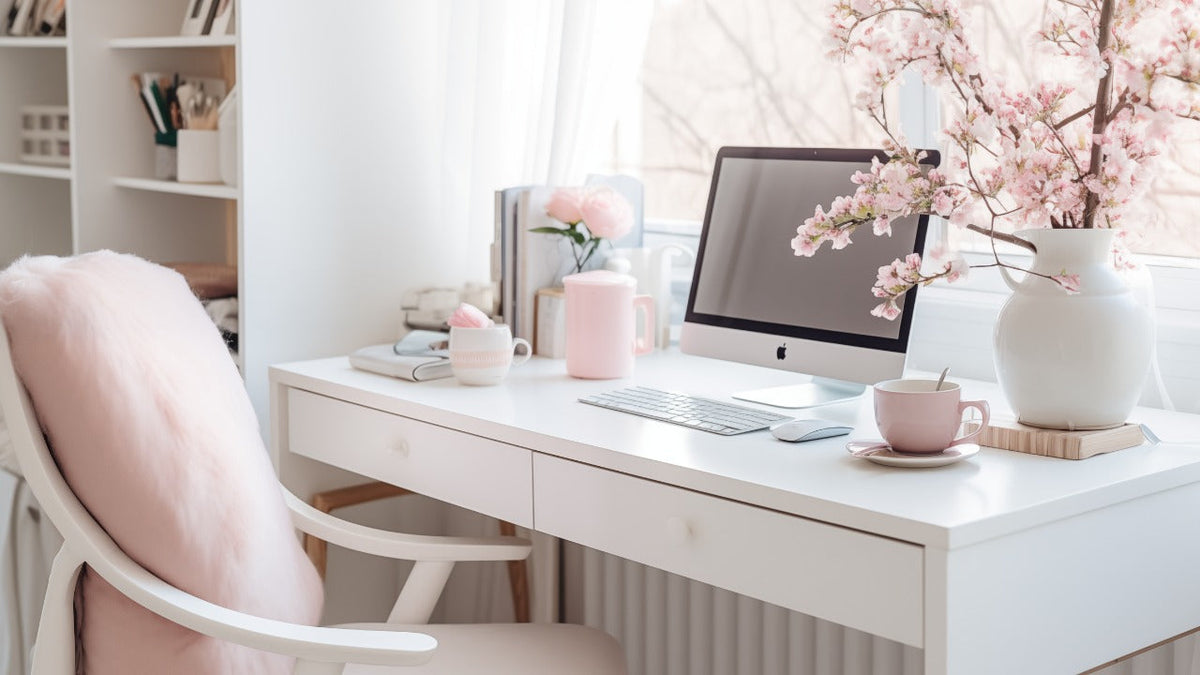
Remote work reshuffled everything. Millions made the leap — yet a shocking number still grind through their days in setups that quietly strangle focus and wreck their bodies. Cobbled-together desk. Wrong light. Walls that bounce every sound. The difference between that and a workspace that actually pulls its weight? Usually just a few well-chosen fixes. Nothing dramatic. No gut renovation. But pick the right ones, and Tuesday stops feeling like a survival exercise.
1. Ergonomic Keyboard and Mouse Setup
Standard keyboards are strain machines. Full stop. Use one
long enough, and the damage accumulates — wrist ache, neck tension, that dull
throb making it hard to string two thoughts together. An ergonomic keyboard
positions your hands far more naturally, cutting the repetitive stress that
eventually becomes a real injury. Pair it with a vertical or contoured mouse
and your forearm stops rotating inward all day. Split keyboards, mechanical
boards with negative tilt — not gimmicks. Many people feel the shift within the
first week. Less physical discomfort means fewer distractions. Simple math,
honestly.
2. Quality Lighting That Reduces Eye Strain
Overhead fixtures and raw window glare are quietly draining
your eyes by noon. Most remote workers blame that mid-afternoon headache on
stress. Often it's just bad light. Task lighting placed beside your monitor
kills the brutal contrast between a blazing screen and dim surroundings —
contrast that forces your eyes to constantly recalibrate, over and over. LED
desk lamps with adjustable color temperature let you shift warmth as the day
moves, matching what your circadian rhythm actually wants. A monitor light bar
costs almost nothing compared to the headaches you're dodging. Literally.
3. Acoustic Panels or Sound Management
Traffic outside. Someone cooking two floors down. Your own
voice bouncing back at you during a video call. Background noise chips away at
concentration and makes you sound sloppy to whoever's listening. Studio-grade
soundproofing? Not necessary. Acoustic panels tucked behind the desk or pushed
into corners absorb waves before they ricochet. Thick curtains help.
Bookshelves crammed with actual books help. Even fabric wall hangings pull
their weight. And sometimes a real workspace needs real infrastructure — when
converting a basement or spare room means adding a nearby sink or bathroom,
workers in the area have relied on plumbing
services in Concord, NC to handle those installations without
disrupting the rest of the home. Solve the acoustics and meetings get cleaner,
thinking gets sharper, and that low-grade irritation from constant sonic
interference just... stops.
4. Monitor Arm or Adjustable Stand
Flat on the desk. That's where most monitors live. Also
where neck pain is born. Looking down for eight hours isn't neutral — it's a
slow grind on your cervical spine, every single day. A monitor arm lifts the
screen to eye level, centers it, and keeps everything aligned the way your body
actually prefers. Bonus: it clears desk surface by moving the monitor off
entirely. Adjustable stands do the same thing with less installation fuss.
Target position is simple — eyes landing naturally on the upper third of the
screen while sitting upright. This single adjustment, often cheaper than
anything else on this list, heads off the chronic neck pain remote workers have
quietly accepted as just part of the deal.
5. Noise-Canceling Headphones
Even a quiet room benefits. Noise-canceling headphones carve
out a dedicated audio bubble — blocking low-frequency drones like HVAC hum,
distant traffic, and appliances cycling on and off. During calls, people hear you
without your environment bleeding through. During deep work, they hold the
house at arm's length when it refuses to cooperate. Premium pricing isn't
required; solid mid-range options exist and perform well. Fewer repeated
sentences on calls. Fewer broken focus stretches. That's the whole value
proposition. It's a strong one.
Conclusion
None of this needs to be expensive or dramatic. These five
upgrades target the pain points remote workers feel every single day — and
mostly wave off as unavoidable. Ergonomic peripherals take the load off your
body. Better lighting kills the eye fatigue. Sound management clears your head.
A properly positioned monitor protects your neck. Good headphones clean up how
you communicate. Each one works alone. Together, they stop your workspace from
working against you. Pick whichever problem is loudest right now. Start there.
Layer in the rest. Future-you — the one not grimacing through a random Tuesday
— will notice the difference.