
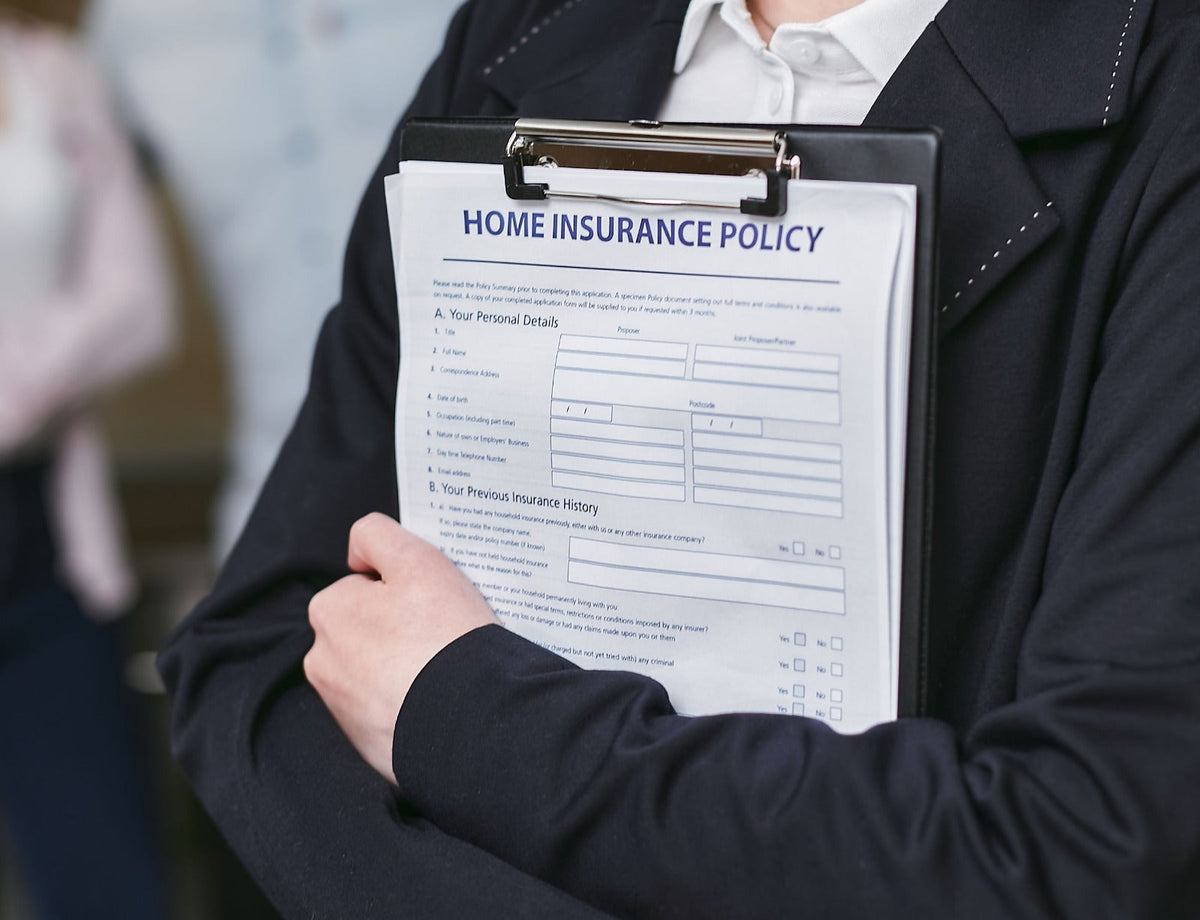
Owning a home comes with a level of financial responsibility that renters simply don't have to think about. Beyond the mortgage and monthly maintenance, homeowners are also on the hook for protecting their property, their finances, and their family in the event something goes wrong. Whether it's a fire, a break-in, or an accident that happens on your own property, the right insurance coverage can be the difference between a manageable setback and a financial disaster. Here's a breakdown of the policies homeowners should genuinely prioritize.
Standard Homeowners Insurance
This one might seem obvious, but it's worth reviewing carefully rather than assuming your policy covers everything it should. A standard homeowners policy typically covers the structure of your home, personal belongings, and liability if someone is injured on your property. What often gets overlooked is the fine print around exclusions, since many standard policies don't automatically cover things like flooding or earthquakes, requiring separate riders or entirely different policies for those risks. Reviewing your coverage limits annually is also important, especially if you've made renovations or acquired higher-value belongings since you first purchased the policy.
Flood and Natural Disaster Coverage
Depending on where you live, standard homeowners insurance may leave significant gaps when it comes to natural disasters. Flooding, in particular, is almost never included in a standard policy and requires a separate flood insurance plan, often through the National Flood Insurance Program or a private insurer. Even homes outside of designated flood zones can experience flood damage, which catches a lot of homeowners off guard when they assume their location makes them exempt. Earthquake coverage works similarly in many states, requiring its own dedicated policy rather than relying on your primary homeowners insurance to step in when disaster strikes.
Liability Protection Beyond the Basics
Standard homeowners liability coverage protects you if someone gets injured on your property, but the coverage limits included in a basic policy aren't always sufficient, especially for homeowners with significant assets to protect. This is where umbrella insurance comes in, offering an additional layer of liability protection that kicks in once your standard policy's limits are exhausted. This becomes particularly relevant if you have a pool, trampoline, or dog on the property, since these are common sources of liability claims. Umbrella policies are relatively affordable given the amount of extra protection they provide, making them a smart addition for many homeowners.
Auto Insurance for Accident Protection
While technically separate from homeowners insurance, auto insurance deserves a place on this list since vehicle accidents remain one of the most common and costly incidents people face. Comprehensive and collision coverage protect your vehicle itself, while liability coverage protects you financially if you're responsible for injuring someone or damaging their property. It's worth noting that insurance needs vary widely depending on individual circumstances; specialized categories like NIL insurance, which protects college athletes' name, image, and likeness earnings from injury-related disruptions, show just how tailored coverage options have become across the broader insurance industry, even if that particular niche has little overlap with everyday homeowner or driver needs.
Personal Injury and Medical Payments Coverage
Accidents happen even in the safest of homes, and medical payments coverage, sometimes bundled into a homeowners policy, helps cover minor injuries that occur on your property regardless of who's at fault. This differs from liability coverage in that it applies even when you technically weren't negligent, offering a faster and simpler way to cover smaller medical bills without a formal claim process. For larger injuries or disputes over fault, personal injury protection or a broader liability claim may come into play instead. Understanding the distinction between these coverage types helps homeowners respond appropriately when an accident actually occurs.
Conclusion
Protecting your home and yourself from the unexpected requires more than just a basic policy purchased once and forgotten. From standard homeowners coverage to flood protection, umbrella liability, auto insurance, and medical payments coverage, each type of policy plays a distinct role in shielding you from financial hardship. Taking the time to review your coverage regularly, especially as your circumstances change, ensures you're not caught off guard when accidents or disasters inevitably occur. A little diligence now can spare you significant stress and expense later.