
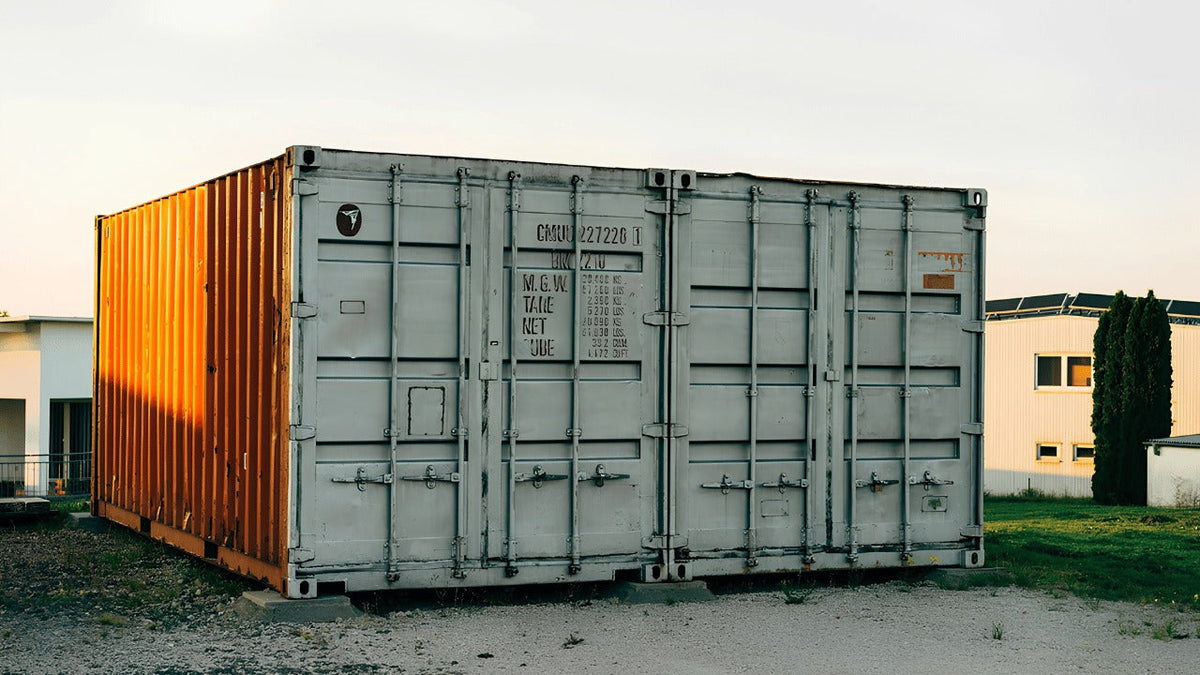
Remodeling and interior design are exciting—but they’re also messy,
disruptive, and full of moving parts. Between furniture, fixtures, materials,
and daily life continuing in the background, even the most beautifully planned
renovation can feel chaotic without the right systems in place. That’s where
storage containers quietly step in as unsung heroes. Far from being just
temporary boxes, storage containers now play a strategic role in how
homeowners, designers, and contractors approach remodeling projects from start
to finish.
Creating
Breathing Room During Renovation
One of the biggest challenges during any remodel is space—or
rather, the sudden lack of it. Furniture has to be moved, décor removed,
appliances relocated, and materials staged. Trying to shuffle everything from
room to room often leads to damage, clutter, and constant reorganization.
Storage containers solve this problem by creating breathing room. By moving
furniture and personal items out of the construction zone entirely, homeowners
gain clear, workable spaces where contractors can do their jobs efficiently and
safely. That breathing room also reduces stress, making the remodeling process
feel intentional instead of overwhelming.
Protecting
Furniture, Décor, and Finishes
Interior design often involves careful investment in furnishings,
finishes, and custom pieces that homeowners don’t want scratched, dented, or
coated in dust. Storage containers provide a controlled environment that
protects these items during demolition, construction, and installation phases.
Instead of stacking furniture in hallways or garages—where temperature swings,
moisture, or accidental impacts can cause damage—designers increasingly rely on
secure containers to preserve valuable pieces untouched until the space is
ready for styling. That protection translates directly into fewer replacement
costs and less frustration at the end of the project.
Supporting
a Clean Design Process
Clutter is the enemy of good design. When a space is filled with
displaced belongings, it becomes harder to visualize scale, light flow, and
layout changes. Storage containers allow designers and homeowners to see the
bones of the space clearly. Empty rooms reveal architectural details, problem
areas, and possibilities that were previously hidden behind furniture and
décor. This clarity helps design decisions feel more confident and cohesive,
leading to better final results.
Making
Phased Remodeling Possible
Not every remodel happens all at once. Many homeowners choose
phased projects—kitchens first, bedrooms later, finishing touches last. Storage
containers make phased remodeling far more manageable. Items from completed
areas can be stored safely while work continues elsewhere, preventing constant
reshuffling throughout the home. This approach allows people to continue living
in their space without feeling like they’re perpetually surrounded by
half-finished rooms and displaced belongings.
A
Tool for Designers, Not Just Homeowners
Interior designers increasingly use storage containers as part of
their workflow. During renovations, designers often source furniture, lighting,
and décor early to avoid delays, but these items can’t always be installed
immediately. Storage containers act as temporary design warehouses, allowing
pieces to arrive on schedule without cluttering the job site. Designers can
stage, inventory, and protect elements until installation day, ensuring
smoother project timelines and fewer last‑minute surprises.
Supporting
Custom Work and Craftsmanship
Remodeling often includes custom cabinetry, built‑ins, or specialty pieces that require precise
installation. Having extra space to store raw materials, tools, and finished
components helps craftsmen work more efficiently and carefully. Storage
containers allow contractors to keep materials organized and protected,
reducing damage and rework. When craftsmanship is involved, controlled storage
directly supports quality.
A
Regional Perspective on Container Use
In states with
frequent renovations, weather challenges, or year‑round construction schedules, storage
containers have become especially common. For instance, homeowners and
contractors managing large residential projects often look for a quality container for sale in Florida to accommodate longer renovation
timelines, high humidity concerns, and the need for durable, weather‑resistant storage that can stay on-site
throughout a project. This regional adaptability shows how storage containers
have evolved beyond temporary solutions into integral project assets.
Enhancing
Safety on Remodeling Sites
A cluttered site isn’t just inconvenient—it’s unsafe. Loose items,
stacked furniture, and stray materials create tripping hazards and slow down
progress. By moving unnecessary items into storage containers, remodel sites
become cleaner, safer, and more organized. Clear walkways and designated work
zones reduce accidents and allow trades to focus on their tasks rather than
navigating obstacles. Safety improvements indirectly save money by minimizing
delays and damage.
Supporting
a Calmer Home Experience
For homeowners living through a remodel, emotional stress can be
just as challenging as physical disruption. Storage containers reduce visual
chaos, which has a real psychological effect. When personal belongings are
safely out of sight, the home feels more controlled and manageable—even amid
construction. This sense of order helps homeowners stay excited about the end
result rather than counting down days in frustration.
Reintroducing
Design Intentionally
One of the most underrated benefits of storage containers is what
happens at the end of a project. Instead of hurriedly moving everything back
into place, homeowners and designers can reintroduce furniture and décor
intentionally. Items stored off-site give people the opportunity to curate what
returns, what gets replaced, and how pieces fit into the newly designed space.
This process often results in cleaner layouts and more thoughtful styling than
before the remodel began.
Storage
Containers as Long-Term Assets
Beyond remodeling, many homeowners discover that storage containers
continue to serve a purpose. They’re used for seasonal items, future projects,
or even temporary storage during moves. This flexibility makes them more than
just short-term rentals—they become tools that support ongoing design evolution
and home organization.
Conclusion
Remodeling and interior design are about transformation, but
transformation requires structure. Storage containers provide that structure by
creating space, protecting investments, supporting craftsmanship, and reducing
stress throughout the renovation process. Far from being an afterthought,
they’ve become an essential component of modern remodeling strategy. When
storage is handled intentionally, design has more room to succeed—and the
finished space feels as good to live in as it does to look at.